


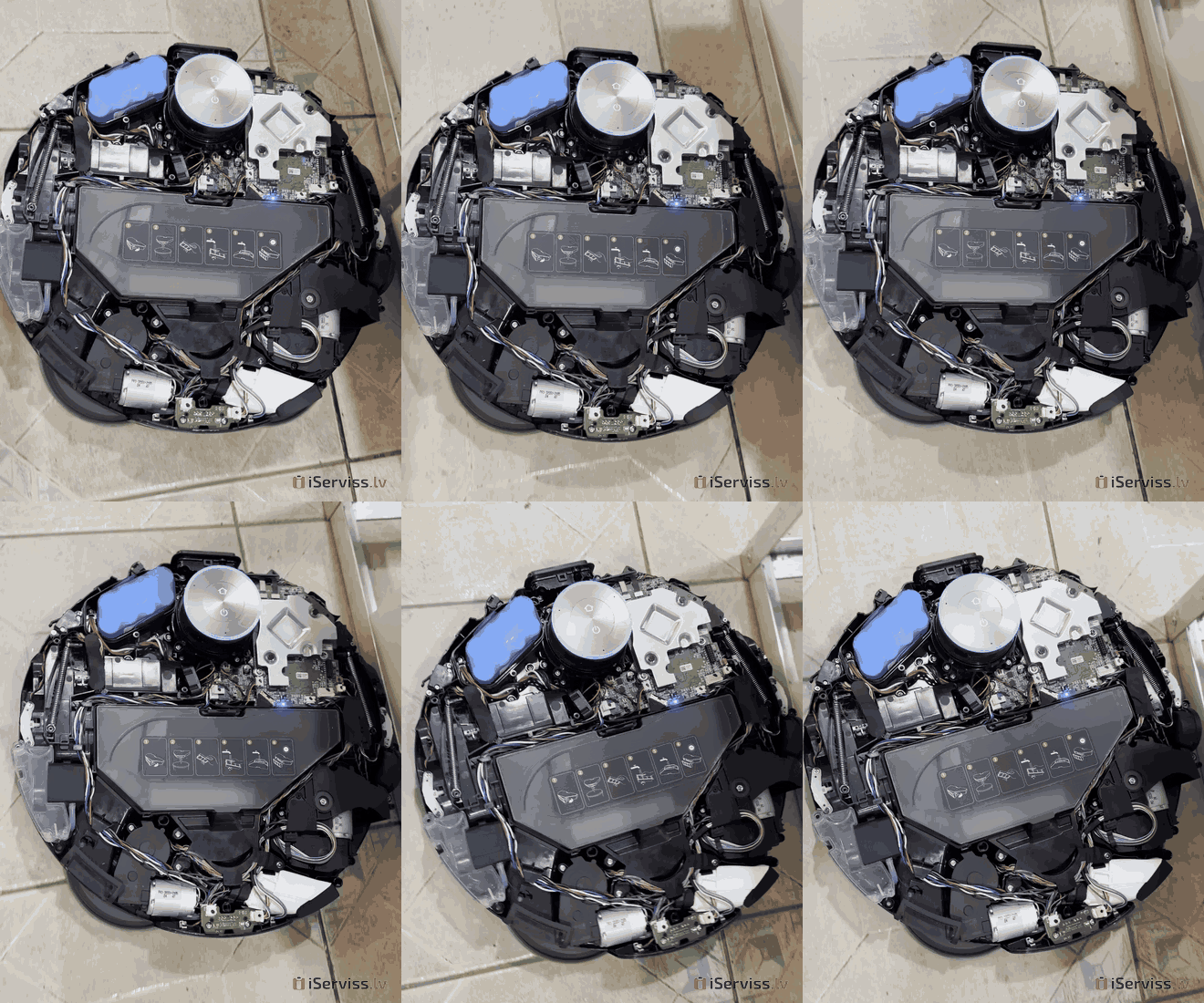
How a robot vacuum sees the room: the lidar inside a Dreame
The round turret on a robot vacuum isn’t decoration — it’s the robot’s eyes. We took the cover off a Dreame to show how it works and what to do if your robot starts getting lost.
 Message on WhatsApp
What lidar is
The turret spins and uses laser beams to measure the distance to walls and furniture. That’s how the robot maps the room and knows where it is.
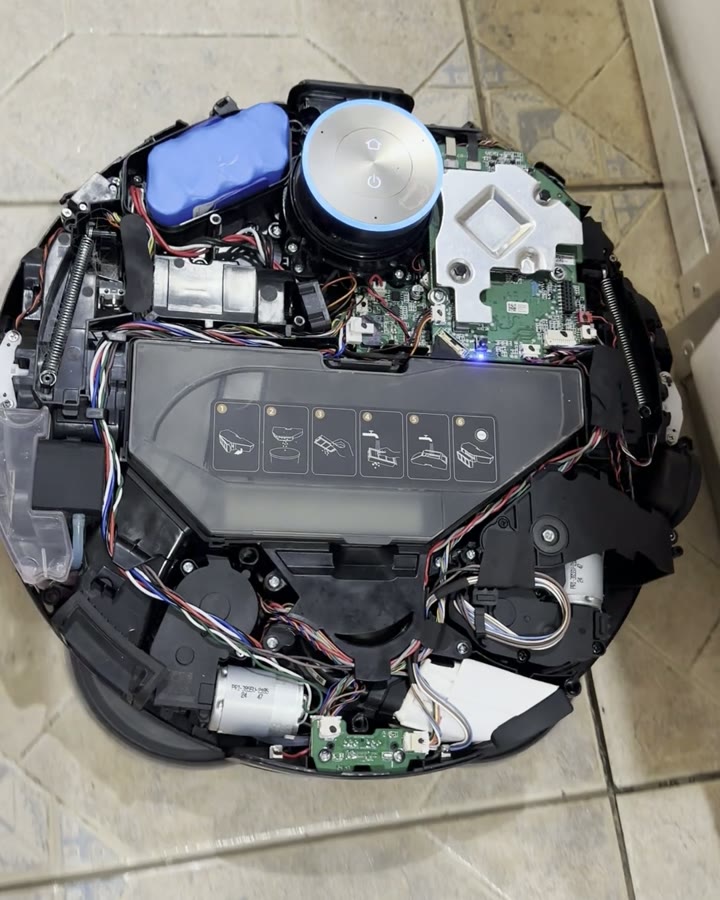
We can’t see the beams — a camera can
The human eye doesn’t pick up the lidar beams, but a phone camera shows them. Using this map, the robot finds its own way back to the dock.
If the robot gets lost
If it can’t find the dock, drives in circles or stops, first wipe the lidar turret with a dry, soft cloth and check that it spins freely and nothing covers it. The dock should sit in an open spot with clean charging contacts. If that doesn’t help, the cause may be the lidar, the sensors or the electronics.
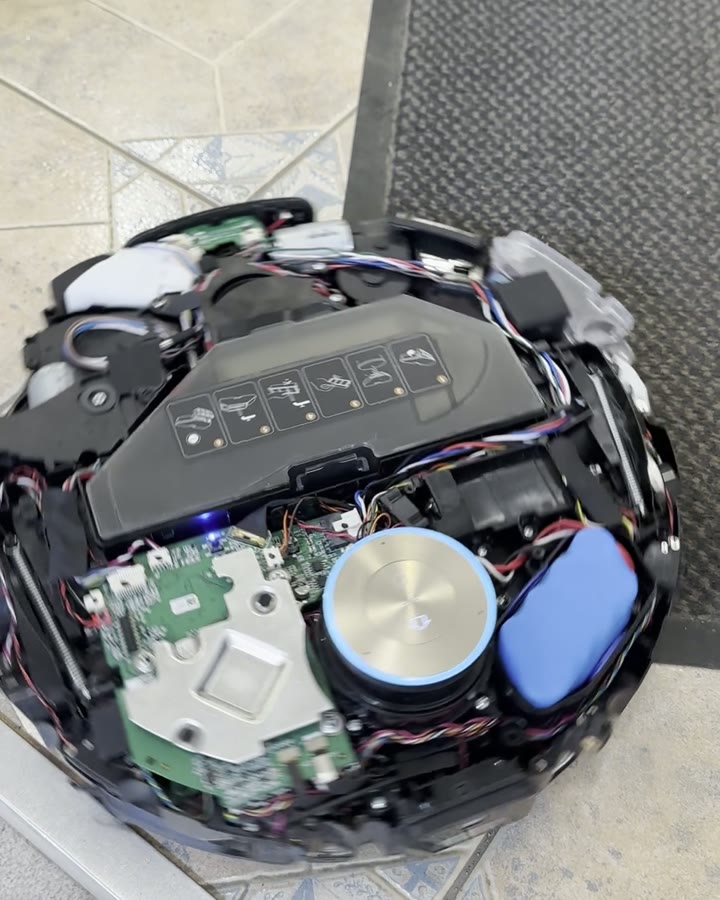
What we do in the workshop
We take the robot apart, find the cause and tell you the price before the repair. If you have the repair done with us, diagnostics are free; if you decline the repair, they cost €20.
Tips
- Don’t put things on top of the robot — they can block the lidar.
- Clear hair from the wheels and brushes regularly.
- Can’t drop by? Send the robot with a free Omniva label.




- Tourism and leisure
- 3MK
- Solar Power
- Green Cell
- LED Lamps
- Drones
- Mous Accessories
- Details
- Phones and smartphones
- Tablets, accessories
- Photo, video equipment, optics
- TV, Video equipment
- Laptops, accessories
- Gaming Consoles
- Accessories
- Health care & beauty
- Computers
- For kids
- Device
- Audio equipmets
- Transportation devices
- Home and Garden
- Building tools
- Small appliance

Kr. Barona iela 70, Rīga.


